Current Projects
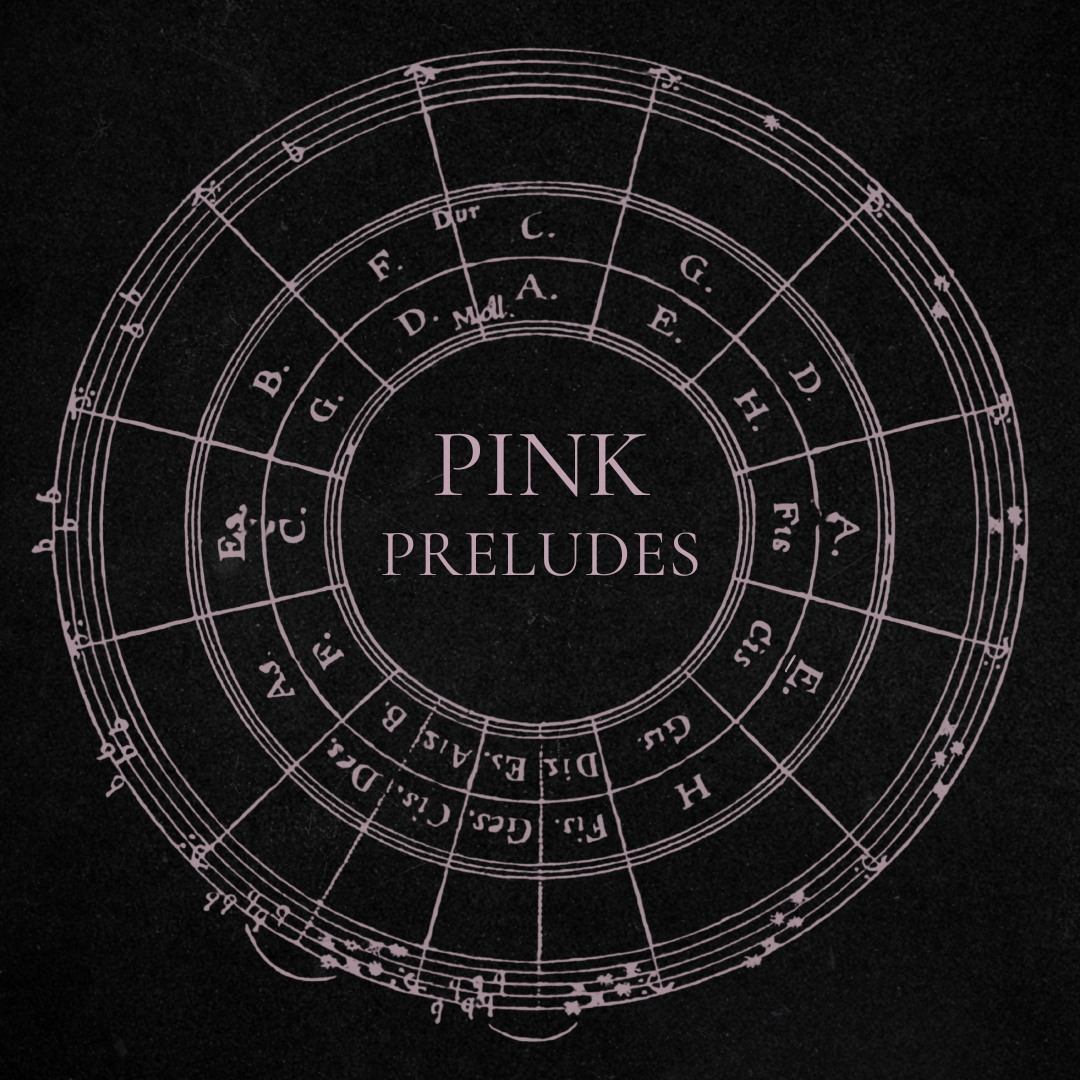
Pink Preludes
stillharbor

Live at Wigmore Hall - 2010

Live at Wigmore Hall - 2006
Her Elegy
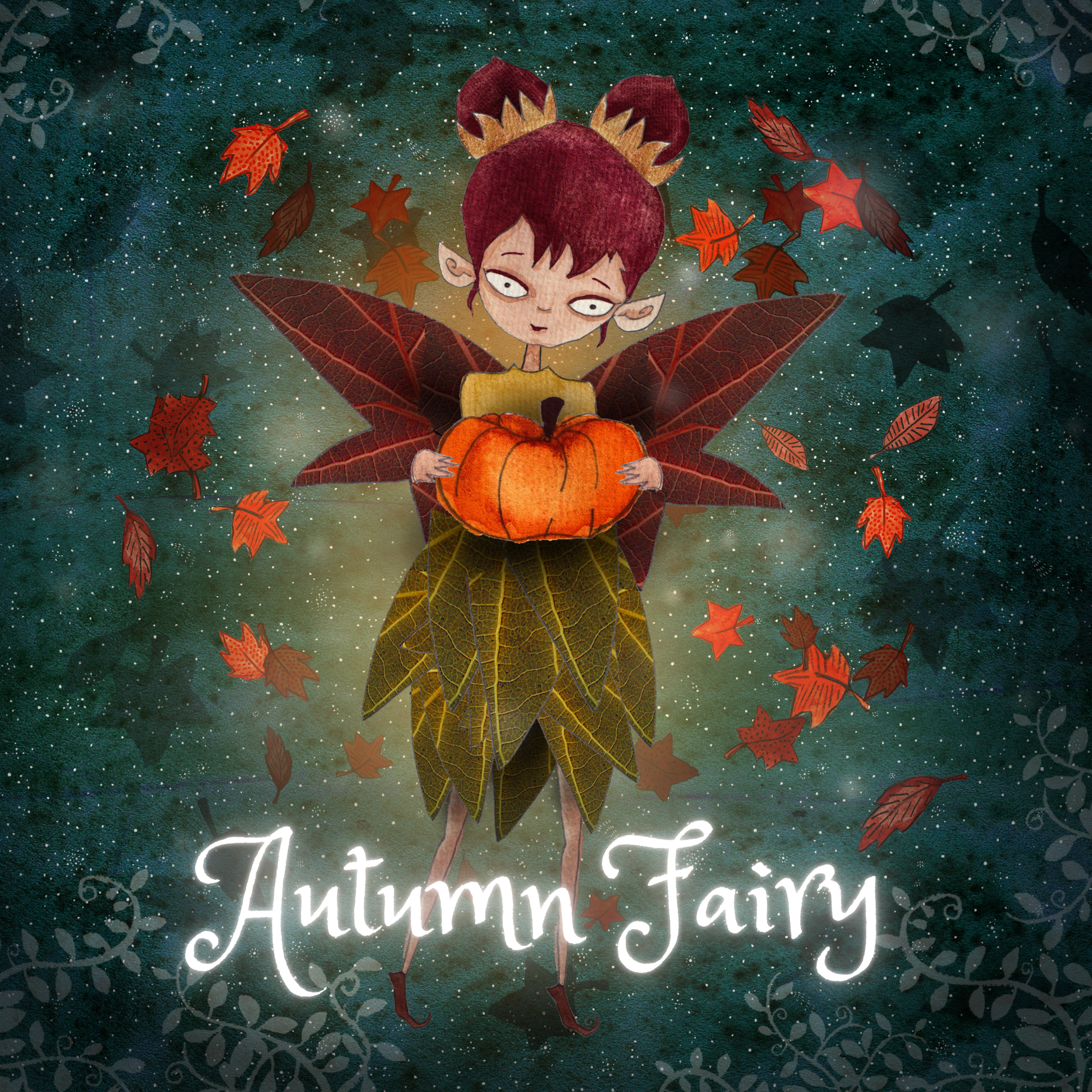
Four Fairies from Prokofiev’s Cinderella
About
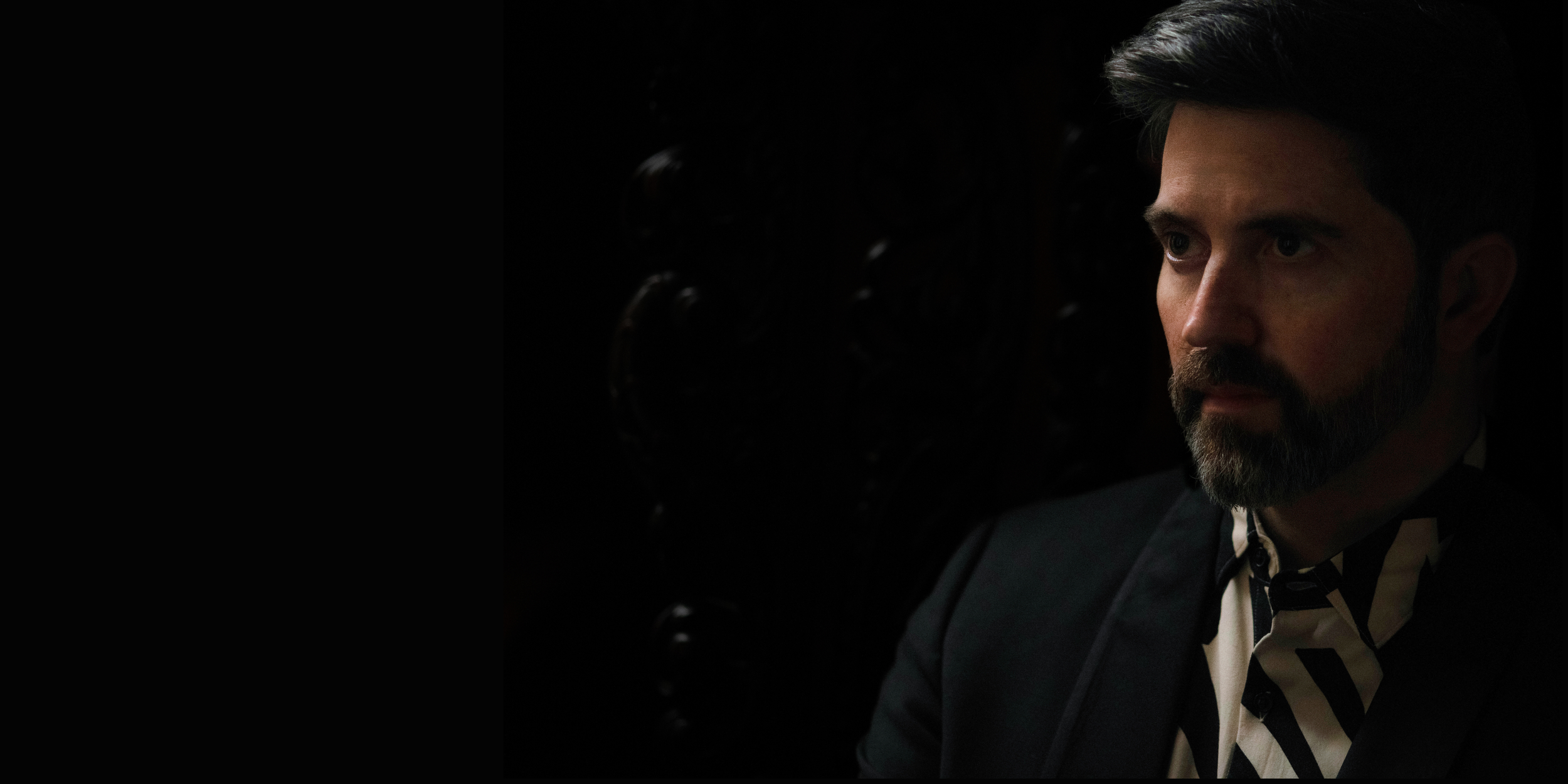
Dustin is an international prize-winning pianist, composer, songwriter, producer, educator, director, and writer. As a child and young adult pianist, he garnered over twenty first-prize awards in international competitions.
As a composer and performer, he has collaborated with modern dance companies and choreographers including Russell Maliphant, Parisa Khobdeh, Maya Taylor, and Brad Landers, and has appeared in productions by the late Pina Bausch at London’s Sadler’s Wells.
In 2022, Dustin became President of The Bohemians: New York Musicians’ Club — a nonprofit established in 1907 that supports young musicians through an annual concert series and artist residency. He fully produced the club’s virtual concert series in 2021 for its 115th season and launched the inaugural Bohemians Young Artists Piano Competition in 2022 for performers aged 18 and under. He now serves as Executive & Artistic Director, producing career assets for recipients of the Robert A. Levinson and Patricia S. Levinson Arts Achievement Award and the Bohemians Artist Residency, in collaboration with New York’s Concert Artists Guild and the American Piano Awards.
Dustin is also the director of Gledhill Arts Collective, a group of private teaching studios in New York City, complemented by collaborative professional events and workshops. Students of the Collective have won top prizes in international young artist competitions and have consistently earned state and national gold medals in the Royal Conservatory of Music’s Certificate Program at every level offered.
In collaboration with writer and director Nathan Wright, Dustin composed electronic-classical–inspired music for the collage-theater piece Manifesto, which explores the life of Serge Diaghilev.
He has been commissioned to compose original music for podcasts including Autism Speaks, as well as for other commercial projects. In 2016, Dustin and his sister-in-law, singer-songwriter Mindy Gledhill, formed the synth-pop duo Hive Riot, releasing an award-winning album, music videos, and additional singles.
Dustin recently released an independent album featuring highlights from his second Wigmore Hall concert, Live at Wigmore Hall, 2010. The concert was made possible by sponsorship from the late Richard Goula, following Dustin’s gold medal win at the 2006 New Orleans International Piano Competition.
He is currently releasing a series of twenty-eight original works in the soft-piano contemporary classical genre titled Pink Preludes, with the first release scheduled for March 20, 2026.
A native of Provo, Utah, Dustin holds degrees from the Manhattan School of Music (BM), The Juilliard School (MM), the Royal Academy of Music (PGDip), and earned his DMA from Stony Brook University. He currently resides in New York City.

Watch
Gabriel Fauré
Dustin’s doctoral studies focus on the works of Gabriel Fauré, Debussy, and French Baroque repertoire.
Dance Collaboration
As composer / performer, he has collaborated with modern dance companies and choreographers such as Pina Bausch, Russell Maliphant, Parisa Khobdeh, Maya Taylor and Brad Landers.
Hive Riot
Dustin and singer-songwriter, Mindy Gledhill, formed synth-pop duo, Hive Riot, releasing an award-winning album, music videos and additional singles. Hive Riot: YouTube Link
Gledhill Arts Collective
Dustin is director of the Gledhill Arts Collective - a group of private teaching studios In NYC, complemented by collaborative professional events and workshops. www.GledhillArtsCollective.com